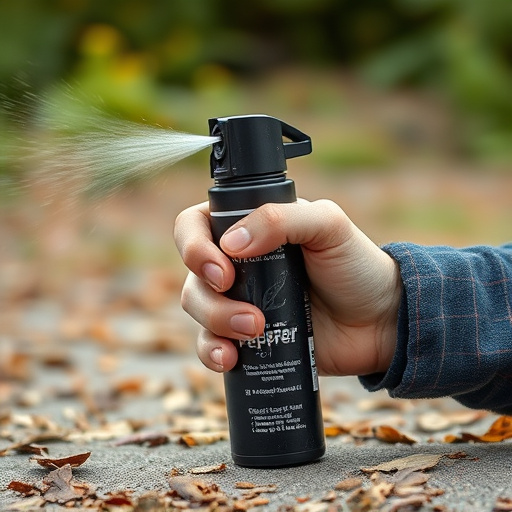
Selecting the right pepper spray involves understanding brand potency measured in Scovils Heat Units (SHU). Formulations vary, offering different effects from powerful one-time hits to longer-lasting mild options. Potency ranges between 1% and 5%, tailored to specific needs. Real-world effectiveness considers variables beyond lab tests, emphasizing the need for high-quality brands focusing on capsaicin delivery. Responsible usage includes choosing reputable manufacturers, following safety guidelines, and understanding product specifications for reliable self-defense.
“Discover the power of capsaicin, the active ingredient behind effective inflammatory agent deterrent sprays, commonly known as pepper spray. This article delves into its mechanism, analyzing various brands’ potency levels. We explore real-world applications, providing insights on effectiveness and safety guidelines for responsible usage. Understanding capsaicin’s role as a deterrent is crucial when considering self-defense options, with brand comparisons highlighting key differences in pepper spray potency by manufacturer.”
- Understanding Capsaicin: The Active Ingredient
- Brand Analysis: Pepper Spray Potency Comparison
- Effectiveness in Real-World Scenarios
- Safety Considerations and Usage Guidelines
Understanding Capsaicin: The Active Ingredient
Capsaicin, the active ingredient in pepper spray, is a natural compound derived from chili peppers. It’s what gives spices their heat and pungent flavor. But beyond adding kick to our meals, capsaicin has unique properties that make it an effective deterrent. When inhaled or comes into contact with sensitive areas like eyes and skin, capsaicin triggers a response in the body, causing temporary pain and irritation. This reaction is what makes pepper spray a powerful self-defense tool.
The potency of pepper spray varies significantly by brand. Each manufacturer formulates their product differently, resulting in differing levels of capsaicin concentration. Typically measured in Scovils Heat Units (SHU), higher SHU values indicate greater pepper spray potency. Understanding the Pepper Spray Potency by Brand is crucial when choosing a self-defense tool. It directly impacts its effectiveness during emergencies.
Brand Analysis: Pepper Spray Potency Comparison
When considering pepper spray potency by brand, it’s crucial to understand that not all sprays are created equal. Each brand formulates its products with varying levels of capsaicin, the active ingredient responsible for the spicy sensation and subsequent inflammatory response in targets. Some brands focus on delivering a powerful one-time punch, while others opt for a milder but longer-lasting effect.
A thorough analysis of pepper spray potency comparison reveals significant variations among leading manufacturers. Top-tier brands often offer sprays with concentrations ranging from 2% to 5%, ensuring maximum effectiveness against potential threats. Lower-potency options, typically around 1%, are marketed for personal protection and may provide a more controlled but shorter-lasting defense mechanism. Ultimately, choosing the right pepper spray potency depends on individual needs, be it for law enforcement, personal safety, or outdoor activities.
Effectiveness in Real-World Scenarios
The effectiveness of capsaicin inflammatory agent deterrent spray, often known as pepper spray, is best measured in real-world scenarios where it’s used for self-defense. Unlike laboratory tests that assess Pepper Spray Potency by Brand, which can provide a snapshot of its active ingredient concentration, real-world applications involve unpredictable variables like distance, wind, and the attacker’s resistance. However, numerous studies and user accounts consistently demonstrate pepper spray’s ability to disable attackers temporarily, providing individuals with valuable time to escape dangerous situations.
Real-life encounters often require a spray that delivers a powerful yet controllable sting. High-quality brands invest in research and development to optimize their formulations, ensuring the right balance of capsaicin concentration and delivery mechanism for maximum efficacy while minimizing potential off-target effects or over-stimulation. This focus on quality translates into pepper sprays that prove effective in various settings – from personal safety to law enforcement applications – where swift and reliable deterrence is paramount.
Safety Considerations and Usage Guidelines
Using a capsaicin inflammatory agent deterrent spray can be an effective way to protect yourself, but it’s crucial to approach its use responsibly and understand the safety considerations involved. These sprays utilize capsaicin, the compound that gives peppers their heat, as an active ingredient. The potency of pepper spray varies significantly by brand, so it’s essential to research and choose a reputable manufacturer that provides clear labeling and instructions.
When using any type of pepper spray, follow usage guidelines strictly. This includes keeping the spray out of reach of children and pets, storing it in a cool, dry place, and ensuring you and those around you wear protective gear such as goggles or a face mask during application to avoid inhalation or accidental contact with eyes or skin. Regularly check expiration dates and dispose of outdated sprays safely. Always bear in mind that these deterrents are designed for self-defense situations, and their effectiveness depends on proper usage and understanding of the product’s capabilities.
Capsaicin, the active ingredient in pepper spray, serves as a powerful inflammatory agent deterrent. After analyzing various brands and their potency levels, it’s clear that different manufacturers offer distinct performance characteristics. In real-world scenarios, pepper spray has proven effective in neutralizing threats, with proper usage guided by safety considerations. When choosing a brand, understanding the pepper spray potency by brand is crucial to ensuring its effectiveness in self-defense situations. Remember, responsible use and awareness of local laws are paramount when considering any deterrent spray.